Man and van in Lambeth

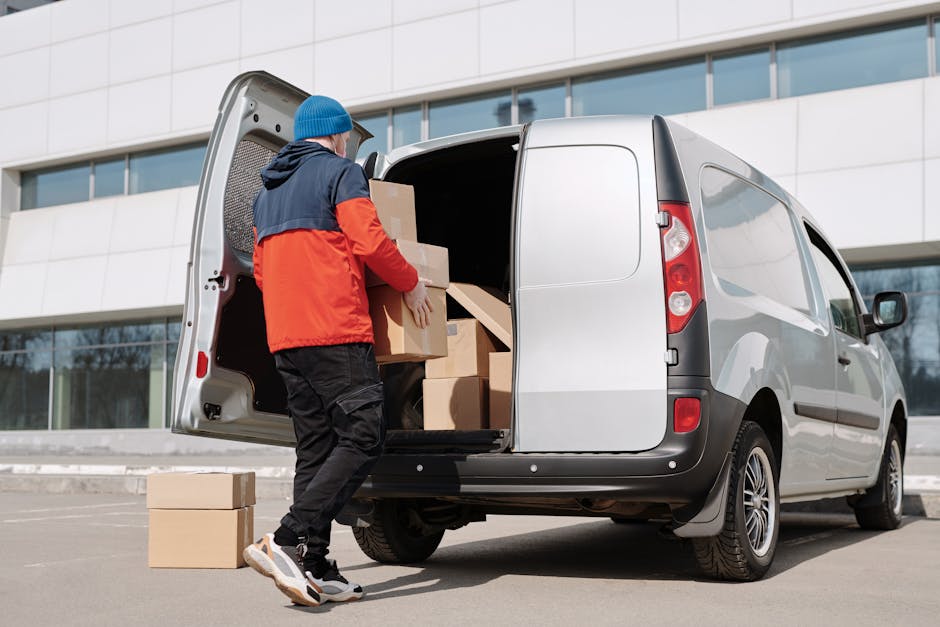
Choose a man and van in Lambeth when you need a practical moving service that fits around flats, terraces, shared houses and business premises. Our service is built around loading, transport and careful placement of items at the destination, with the aim of keeping the move organised and manageable. It suits furniture, boxes, appliances and smaller mixed loads, and it can be shaped around different access arrangements without turning the day into a full-scale removal exercise.
We support house moves, furniture pick-up work and office relocation tasks where a van-based move is the right size of service. If you are comparing options, our man and van service gives a straightforward overview of the core move format, while home moves explains the domestic side in more detail. The emphasis throughout is on sensible handling, tidy loading and a clear approach to what is carried, where it goes and how the journey is organised.
If you are planning a move in Lambeth, use the service below to request a quotation and set out what needs to be moved.
What the service covers
The service is intended for customers who need help moving items without booking a larger removal crew than necessary. That can include single-room moves, partial house moves, student belongings, refurbished furniture, white goods and general items from storage or a workplace. A van-based move is often chosen when the load is too much for a car but does not justify a full household move plan.
Our removal services page covers the broader range of moving support, while movers offers a more general view of how jobs are managed. For smaller collections and one-off item transfers, furniture pick-up is useful because it focuses on individual pieces and careful transport. The key point is to match the service to the job rather than over-specify it.
Typical uses can include helping with a bedroom move, shifting a sofa to another property, taking office chairs to a new address or moving several boxes between storage and home. It also suits customers who have already sorted and packed their belongings and simply need dependable transport with loading support. Keeping the scope clear at the quoting stage helps the move stay efficient and avoids confusion about what is included.
Domestic moves and household items

For domestic work, the service can be adapted to different household layouts and moving volumes. A one-bed flat may need only a small load and a short route, while a larger home move may involve several trips’ worth of furniture, bags and cartons. We can help with beds, wardrobes, tables, chairs, shelves, boxes and everyday household goods, provided the items are suitable for manual handling and vehicle transport.
House removals is the best fit where the move is more structured and the contents are substantial, while house movers offers a simple route into domestic moving support. Some customers prefer a man with a van approach when they want flexibility for a smaller number of items and a more compact moving plan. The right choice depends on the quantity, access and how much help is needed at each end.
When preparing a domestic enquiry, it helps to list large items separately from boxes and to note anything awkward such as narrow staircases, shared entrances or limited parking. These details make the quote more accurate and help define whether the job suits a single load, multiple runs or a more carefully timed schedule. Clear information at this stage tends to improve the fit between the vehicle, the handling plan and the final route.
Packing, loading and careful handling
Many customers use the service because they want support not just with transport but with the practical part of the move. Loading a van well matters: heavier pieces should be placed securely, lighter items should be protected from crushing and mixed loads need sensible stacking so that boxes, furniture and loose items travel safely. Good handling reduces the chance of unnecessary movement in transit and helps keep items in the condition they were collected in.
Packing and unpacking services are relevant where the move needs extra preparation or where fragile contents require more time before loading. We can also support customers who have already packed and simply need the loaded items arranged efficiently in the van. A move can become more straightforward when breakables, disassembled items and soft goods are separated clearly before collection, especially if several addresses are involved.
There is no need to overcomplicate the job, but a little preparation goes a long way. Use sturdy boxes where possible, keep screws and fittings together with the item they belong to, and avoid overfilling containers that may split during lifting. If you are unsure how much space your load will take, a brief item list is often better than a vague description, because it gives a more realistic basis for planning.
Commercial and office moving support
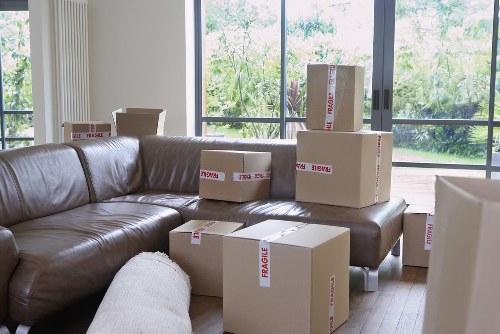
The same service can be used for smaller commercial moves where a business wants a simple and cost-conscious way to relocate equipment or stock. That might involve desks, chairs, file boxes, display materials, boxed stock or IT-related items that need to be moved without disrupting the whole working day. The emphasis is on keeping the process orderly, protecting the load and getting items to the correct location with as little complication as practical.
Office removals is the most relevant destination when the job involves a workplace move with multiple items and a clear sequence of loading, transport and delivery. For slightly broader business relocation planning, commercial moves gives a better sense of the service area. If the move is mainly about shifting a few items between buildings or floors, a van-based approach may be enough without needing a larger logistics setup.
Business customers often benefit from a simple written list of what is being moved, especially when the contents include monitors, printers, archive boxes or itemised stock. That list makes it easier to separate fragile pieces from durable ones and to decide whether dismantling is required beforehand. Practical organisation matters here because commercial spaces often have limited access windows, shared entrances or delivery restrictions that need to be taken into account.
Choosing the right van-based move
Not every move needs the same scale of support, and that is why van-based removals remain useful. A customer moving a few bulky items may need more loading help than transport help, while someone moving a modest household load may need the opposite. The service should be matched to the job size, the access at both addresses and the type of belongings involved, rather than assuming that every move is similar.
If you are comparing similar pages, man with van removal and man with van describe closely related moving formats, while removals gives a wider picture of move types. Those destinations can help customers decide whether they need a compact transport solution, a more complete house move or something in between. The useful question is not simply how far the items are travelling, but how much handling and vehicle space the job really needs.
An accurate quotation normally depends on the number and type of items, the collection and delivery addresses, and any access details that affect lifting or parking. If there are stairs, long carries or items that need disassembly, those points should be mentioned up front. Good planning detail is often the difference between a smooth move and one that becomes awkward at the point of collection.
About Lambeth
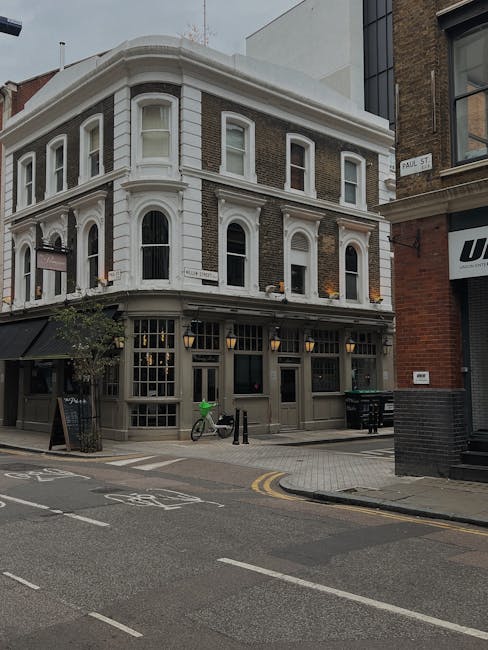
Lambeth is a borough in south London that stretches along the south bank of the River Thames and includes a mix of long-established neighbourhoods, civic buildings and busy transport corridors. The area takes its name from medieval Lambeth, once a riverside settlement that developed around the crossing and river trade, and it now contains a wide range of urban forms from formal terraces to large estates and contemporary developments. The river edge gives the borough a strong physical identity, with views across to central London and a sequence of bridges, public spaces and waterfront routes that shape movement through the district. Parts of Lambeth are closely associated with major landmarks such as the South Bank approach, Waterloo’s southern side, the cultural institutions around the river, and the open landscapes of Brockwell Park and Clapham Common at its edges, while inland streets include conservation areas, Victorian housing and later twentieth-century rebuilding. Its town centres and local high streets create a patchwork of commercial and residential activity, and the borough’s railway and Underground stations link areas such as Brixton, Stockwell, Kennington and Clapham to the wider city. Lambeth has also played a notable role in London’s civic and political history, with Lambeth Palace standing as the historic London residence of the Archbishop of Canterbury and several riverside and inner-London districts reflecting centuries of change in architecture, religion, transport and everyday urban life.
Moving routes, access and timing
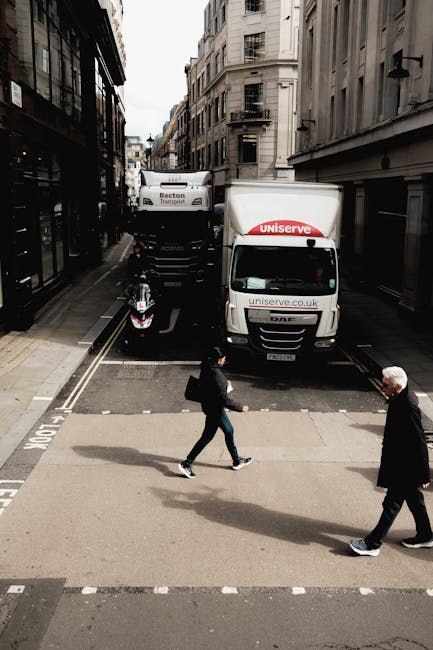
Route planning matters because the service is not only about what is being moved, but also about how easily vehicles can reach the property. Central and inner London streets may involve loading bays, controlled parking or short stopping windows, so the route and timing should be realistic for the addresses involved. Where access is tight, the job may need a more careful schedule than a simple door-to-door transfer.
Moving van and removal van are helpful pages if you want to understand the vehicle side of the move, while moving truck may be more relevant where the load is unusually large. The important point is to choose a vehicle format that suits the number of items and the physical access rather than assuming that bigger is always better. A sensible vehicle choice can reduce wasted time and unnecessary handling.
It can also help to think about the sequence of the move in advance: what needs collecting first, what should be loaded last and which items must be placed closest to the exit on delivery. For jobs with several stops, that sequence becomes even more important. Simple timing decisions such as avoiding peak traffic windows or allowing space for parking can make the day easier without changing the core service.
Why customers request a quotation

A quotation is useful because it turns a general idea into a workable moving plan. Once the item list, collection point, delivery point and any access details are known, it becomes easier to judge whether the move is a short local transfer, a half-day domestic move or a more involved multi-item job. The aim is to give a clear basis for organising the service rather than leaving key parts of the move uncertain until the day itself.
Pricing and quotes is the most relevant page if you want to understand how estimates are approached, and removal company helps place the service in a broader moving context. Customers who want to compare support levels may also look at removal companies to see the difference between general providers and a van-based move. The practical use of these pages is to help you decide which scope of work fits your job.
If you are requesting a quotation, include any items that are especially heavy, fragile, awkward or difficult to access, and mention whether help is needed at collection, delivery or both. That information supports a more reliable estimate and reduces surprises on the day. For straightforward jobs, a short description may be enough; for fuller moves, a more complete list usually leads to a better result.
Safety, protection and service standards
Safe handling is part of any well-run move, particularly when items must be lifted through narrow spaces or loaded around existing furniture. It is sensible to protect corners, use appropriate carrying methods and secure the load so that it stays stable in transit. Good service is not only about speed; it is also about reducing avoidable risk to belongings, property and the people moving them.
Insurance and safety explains the principles behind careful moving practice, while health and safety policy is relevant to the wider approach to risk awareness. For items that should not be disposed of casually or left behind without thought, recycling and sustainability gives a useful indication of how material handling can be considered. These pages sit alongside the moving service rather than replacing it.
When customers are comparing providers, they often want reassurance that belongings will be handled in a tidy, controlled way. That generally means sensible lifting, clear communication and realistic vehicle loading, not exaggerated promises. If you are preparing for a move, keep walkways clear where possible and make sure the items to be taken are separate from anything staying behind, because that makes the job easier for everyone involved.
Contacting us about your move

Whether your move is a single bulky item, a few rooms’ worth of belongings or a compact office transfer, the best next step is to outline the basics and ask for a quotation. If you already know the addresses, the number of items and the likely access conditions, you are in a good position to get a useful estimate. The more precise the information, the easier it is to match the service to the work required.
If you want to read a little more before enquiring, contact us and about us are the most direct general pages to visit alongside the moving information. They are useful if you want to move from browsing into a practical discussion of the job, especially where you need to confirm the best route for a quotation or ask about a specific type of move. A short enquiry can often be enough to start that process.
Please request a quotation when you are ready, and include the items, locations and any access details that matter so we can shape the move properly.