Commercial Moves in Lambeth
Reliable Commercial Moving Support for Lambeth Businesses
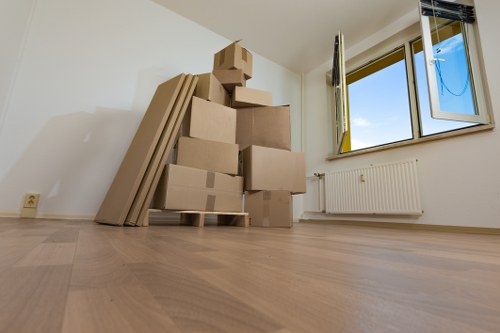
Commercial moves in Lambeth need more than a van and a few extra hands. They call for planning, careful handling, timing, and an understanding of how local businesses actually operate. Whether you are moving a small office, a retail unit, a clinic, a studio, a shared workspace, or a larger commercial premises, the goal is the same: keep disruption low, protect your equipment, and get back to work as quickly as possible.
Lambeth is a busy and varied part of London, with a mix of offices, high street shops, hospitality venues, creative workspaces, community organisations, and professional practices. That variety matters when planning a business relocation. A move in Brixton will not feel the same as a move in Waterloo, Kennington, Clapham, Streatham, or Vauxhall. Access routes, loading restrictions, street layouts, lift availability, and building management rules can all affect how the move needs to be carried out.
That is why businesses looking for commercial removals in Lambeth often want a local team that understands the area and can work around real-world challenges. From early-morning starts to out-of-hours relocation, the right service can help reduce downtime and support a smoother transition into your new premises.
What Commercial Moves in Lambeth Typically Involve

Every business move is different, but most commercial relocations include a combination of packing, dismantling, safe transport, delivery, and setup. In some cases, businesses also need help with archiving, crate hire, IT relocation support, furniture reassembly, and moving specialist items that need extra care. The aim is to move not just belongings, but the working environment itself.
For many customers, the biggest concern is continuity. A shop owner on a busy Lambeth street may need to keep stock moving without interrupting trade for too long. A law office may need secure transfer of files and desks with minimal downtime. A café, salon, or clinic may need appliances, furnishings, and stock moved in a way that respects daily operations and opening hours. Commercial moves in Lambeth need to be structured around these practical needs.
Some projects are straightforward, while others need more coordination. If you are moving between floors in the same building, expanding into a larger office nearby, or relocating across the borough, planning can make a major difference. A good local move starts with assessing what must be moved, what can be dismantled, what should be labelled, and what needs secure handling from start to finish.
Why Local Knowledge Matters in Lambeth

Lambeth has a unique layout, and local knowledge can save time and reduce stress. Busy roads, one-way systems, loading bays, controlled parking areas, and pedestrian-heavy streets can make access more complicated than it first appears. A team that regularly works in the borough is more likely to plan the route, timing, and vehicle access correctly before moving day begins.
Properties across Lambeth also vary widely. You may be dealing with converted terraces, modern office blocks, mixed-use buildings, high street premises, basement units, or upper-floor workspaces in older buildings. Some locations have narrow entrances, tight staircases, limited lift space, or restrictions on when goods can be moved. These details matter when arranging business removals in Lambeth.
Working locally also helps when timing is important. Many businesses need moves arranged outside standard trading hours, before customers arrive, or across a weekend. Local teams are often better placed to respond quickly, plan around congestion, and offer practical advice based on the type of commercial property and the part of Lambeth involved.
Types of Commercial Customers We Support

Commercial relocation services are not only for large offices. In Lambeth, many different types of customers need dependable moving support. These can include independent traders, start-ups, growing teams, landlords, facilities managers, and organisations that need a careful, organised approach to change.
Typical customers looking for commercial moves in Lambeth include:
- Small and medium-sized offices
- Co-working and shared office spaces
- Retail shops and showrooms
- Restaurants, cafés, bars, and takeaways
- Healthcare, therapy, and wellbeing practices
- Creative studios and design teams
- Charities, community groups, and non-profits
- Storage-to-office or office-to-office relocations
Each of these customers has different priorities. A retail move may focus on stock and fixtures. An office move may need computers, desks, and confidential documents handled properly. A hospitality business may need refrigeration, kitchen items, and furniture moved in a sequence that allows reopening on schedule. A local team can adapt the service to the reality of your business.
What Is Included in a Commercial Move

The exact service will depend on your business, the size of the move, and the access at both locations. However, a well-planned commercial move usually includes clear pre-move coordination and a structured moving day. This helps make the process feel manageable rather than chaotic.
Typical inclusions may involve:
- Initial discussion about the premises, items, and timing
- Site assessment or move planning based on your requirements
- Labelling support for desks, boxes, files, and equipment
- Packing of standard office or business contents if requested
- Dismantling and reassembly of furniture where needed
- Careful loading and secure transport
- Delivery to the new site in the agreed order
- Placement of items in the correct rooms or zones
- Removal of used packing materials if agreed in advance
Many businesses also ask for help with fragile equipment, specialist furniture, archive boxes, retail displays, and IT-related items. If you have items that need extra attention, it is worth making that clear before the move so the right plan can be put in place.
Planning a Commercial Relocation the Right Way
Start with the basics
Good planning is the backbone of a successful commercial relocation. Before the moving date, it helps to know exactly what is going, what is staying, and what needs to be disposed of, stored, or replaced. This is especially useful for businesses that have accumulated old furniture, duplicate equipment, or archived paperwork over time.
It also helps to identify who is responsible for key decisions. In a small office, one manager may handle everything. In a larger organisation, the move may involve operations staff, reception teams, department leads, IT support, or building management. Clear communication reduces confusion on the day and helps avoid delays.
For many customers in Lambeth, the right timing is just as important as the physical move itself. Some businesses choose early starts to avoid rush-hour traffic. Others prefer evenings or weekends to keep disruption away from customers, clients, or patients. A local removal team can help build a move around those practical constraints.
Consider access and parking early
Lambeth can present a range of access issues. Narrow roads, restricted parking, busy junctions, and loading limitations can all affect how close a vehicle can get to the premises. In some locations, a lift booking may be required. In others, stair access or a shared entrance may slow down the process. These details should be considered in advance rather than left until the day of the move.
If your building has a concierge, reception desk, facilities manager, or landlord representative, it can be helpful to confirm what time the move team can arrive, where they should park, and whether any permits or lift reservations are required. The smoother the access, the faster and safer the relocation is likely to be.
How the Service Usually Works
Step 1: Discuss your moving needs
The process usually begins with a conversation about your business, your current premises, your destination, and the items involved. This is the stage where you can explain any special requirements, deadlines, or access issues. It is also the time to mention fragile stock, confidential files, awkward furniture, or equipment that needs professional handling.
Step 2: Build a move plan
Once the basic details are clear, the move can be planned in a practical way. This may involve deciding the order of rooms, the packing method, label categories, and the timing for loading and unloading. A good plan helps the move stay organised and reduces the risk of lost items or accidental damage.
Step 3: Prepare the premises
Preparation may include disassembling furniture, boxing up contents, protecting surfaces, and making sure walkways are clear. For businesses with customer-facing areas, you may need to move displays or stock in stages to keep trading areas safe and tidy until the final day.
Step 4: Move day execution
On moving day, the team loads items in a structured way and transports them securely to the new location. The order of loading and unloading often matters, especially if some items need to be available first at the new premises. Clear labels and good coordination can make the setup much quicker.
Step 5: Delivery and placement
At the destination, items are placed in the correct areas and reassembled where agreed. This stage can make a big difference to how quickly your business is ready to function again. Commercial moves in Lambeth are usually most successful when the arrival process is just as organised as the departure.
Preparation Checklist for Businesses
A practical preparation checklist can save a lot of time and help make the move feel controlled. Different businesses will need different steps, but the following points are a useful starting place.
- Confirm the moving date and any access times at both locations.
- Identify which items are moving, storing, recycling, or being replaced.
- Back up digital files and protect sensitive data.
- Label desks, boxes, cables, and room destinations clearly.
- Empty personal items and secure confidential paperwork.
- Disconnect equipment safely where appropriate.
- Arrange parking or loading arrangements if needed.
- Notify staff of the move schedule and their responsibilities.
- Make sure the new premises are ready for delivery and setup.
- Set aside essentials you will need on day one at the new site.
It is also worth preparing a small first-day kit for the new premises. This could include keys, chargers, documents, cleaning supplies, basic tools, stationery, or a few comfort items for staff. Small details like this help the business start operating again without unnecessary searching.
Tip: If you are moving in stages, label anything that should be opened last or taken directly to a specific room. A clear system can make a big difference when time is tight.
Pricing Factors for Commercial Moves
What affects the cost?
Without quoting exact figures, it is useful to understand what typically influences the price of a commercial move. The cost of a relocation can vary depending on how much needs to be moved, how far the journey is, what kind of access is available, and whether extra services are required. That is why most businesses prefer a tailored quote rather than a one-size-fits-all figure.
Common pricing factors include:
- Size of the premises and volume of items
- Number of staff or vehicles required
- Distance between the old and new locations
- Floor level, lift access, and stair use
- Parking restrictions or long carry distances
- Need for packing, dismantling, or reassembly
- Special handling for fragile or bulky equipment
- Out-of-hours, weekend, or urgent scheduling
- Storage, clearance, or disposal requirements
When asking for a quote, it helps to be honest about the full scope of the work. If there is a basement, mezzanine, or separate storage room involved, say so early. If furniture is too large to fit through the lift or doorway, that should also be discussed in advance. Clear information usually leads to a more accurate and realistic plan.
Why Choose a Local Lambeth Commercial Moving Team
There are real benefits to choosing a team that regularly works in Lambeth rather than a provider with no local experience. Local knowledge can help with timing, access, route planning, and communication around the practical realities of London business premises. For many customers, that makes the moving process feel more controlled from the outset.
A local team is also better placed to understand the rhythm of the borough. Busy parts of Brixton and Waterloo may need a different schedule from quieter side streets in Streatham, Herne Hill, Kennington, or Oval. A move near transport hubs, residential streets, or high-footfall shopping areas may require extra care to avoid disruption to staff, customers, and neighbours.
In addition, local commercial moving support can be useful when timing changes unexpectedly. If building access is delayed, if you need to adjust the schedule, or if the new premises are not quite ready, a nearby team can often adapt more easily than one travelling from further away. That flexibility can be valuable when you are juggling business deadlines.
Areas Covered Across Lambeth
Commercial relocation needs vary across the borough, and a service that covers Lambeth should be comfortable working in a wide range of districts and business settings. Common areas include:
- Brixton
- Clapham
- Kennington
- Oval
- Waterloo
- Vauxhall
- Stockwell
- Streatham
- Herne Hill
- West Norwood
- Norwood
- Gipsy Hill
- Walworth borders and nearby commercial corridors
Each area brings its own considerations. For example, central locations may have tighter access and higher traffic levels, while residential-commercial mixed areas may involve careful coordination to avoid disturbing neighbours. A good commercial moving service in Lambeth should be ready for both kinds of setting.
If your business is moving between Lambeth and another nearby borough, or within the same local area, it is still worth planning as though access may be limited. Short journeys can still take time when lifts, corridors, and loading spaces are involved.
Special Items That Need Extra Care
Some commercial moves involve items that are more delicate, heavier, or more awkward than standard office furniture. These items often need additional planning so they can be moved safely and with the right equipment.
Examples of items that may need special handling
- Server units and IT hardware
- Large printers and copiers
- Glass cabinets and display units
- Artwork and decorative pieces
- Medical or treatment equipment
- Refrigeration and catering appliances
- Heavy filing systems and archive storage
- Workshop or studio equipment
- Reception desks and built-in furniture
If any of these are part of your move, it is wise to discuss the items beforehand rather than assume they can be treated like regular boxes. A careful approach protects your equipment and helps prevent delays on the day.
Confidential materials are another important consideration. Businesses in Lambeth often need files, records, or documents moved discreetly and securely. Clear labelling, sealed containers, and a sensible loading plan can all support better handling.
Commercial Moves for Different Property Types in Lambeth
Lambeth businesses operate from a wide variety of properties, and each type can influence how the move is arranged. A modern office block may offer lifts and loading facilities but require scheduled access. A converted townhouse may have character but limited stair space. A ground-floor shop may be easier to access but sit on a busy street with restricted stopping options.
Mixed-use buildings are especially common across the borough. In these properties, businesses may share entrances, stairwells, or loading areas with residents or other tenants. That means planning must be considerate and efficient. Good communication with building management can make the move smoother for everyone involved.
When dealing with older buildings, it is sensible to measure doorways, stair widths, and lift dimensions before moving day. This can help avoid problems with desks, shelving, filing cabinets, or appliances that may need to be taken apart first.
Frequently Asked Questions
How far in advance should I book a commercial move?
It is best to book as early as possible, especially if you need a weekend slot, an out-of-hours move, or a relocation during a busy trading period. Early planning gives more time to organise packing, access, and staff responsibilities.
Can commercial moves be done outside business hours?
Yes, many businesses prefer evenings, early mornings, or weekends to keep disruption low. This is especially helpful for customer-facing businesses that need to keep trading for as long as possible.
What if my building has limited parking or no loading bay?
That is very common in Lambeth. A local team can plan for restricted access by using the right vehicle, timing the arrival carefully, and allowing for longer carry distances if needed.
Do I need to pack everything myself?
Not always. Some businesses prefer to pack their own contents, while others want support with packing and labelling. The right choice depends on your schedule, team size, and the type of items being moved.
Can you help with dismantling office furniture?
Many commercial moves include dismantling and reassembly of desks, tables, shelving, and other furniture where required. It helps to confirm these needs in advance so the team arrives prepared.
What should I do with old furniture or unwanted items?
If you no longer need certain items, discuss disposal or clearance options before the move. Separating keep, move, and remove items early makes the day more organised and avoids confusion.
How to Make Your Move Less Disruptive
Even a well-run relocation can interrupt normal business for a short time, but there are practical ways to reduce the impact. The most effective moves are usually the ones that have been prepared carefully and kept simple where possible.
Useful ways to minimise disruption include:
- Booking the move for a quieter trading period
- Labeling everything clearly before the team arrives
- Assigning one point of contact for the relocation
- Separating essential items from non-essential items
- Making sure staff know what to take personally
- Confirming access and keys in advance
- Setting up the new premises before the main move where possible
It is also sensible to think about day-one operations. If the business needs internet, phones, printers, or reception areas working immediately, let that shape the move order. A smart relocation is not only about transport; it is about getting the business back to normal quickly.
Book a Commercial Move in Lambeth with Confidence
If you are planning a business relocation, office transfer, retail move, or other commercial removal in the borough, the best next step is to request a tailored quote and talk through the details. That gives you the chance to explain your timetable, building access, item list, and any special handling needs.
Commercial moves in Lambeth are easier when the service is designed around your real situation rather than a generic approach. Local property layouts, traffic patterns, parking restrictions, and building rules all shape what a good move looks like. Working with a team that understands those conditions can save time and reduce stress.
Contact us today to discuss your relocation requirements, request a free quote, or book your service now. If your business needs a practical, organised, and locally aware moving solution in Lambeth, now is the right time to start planning.