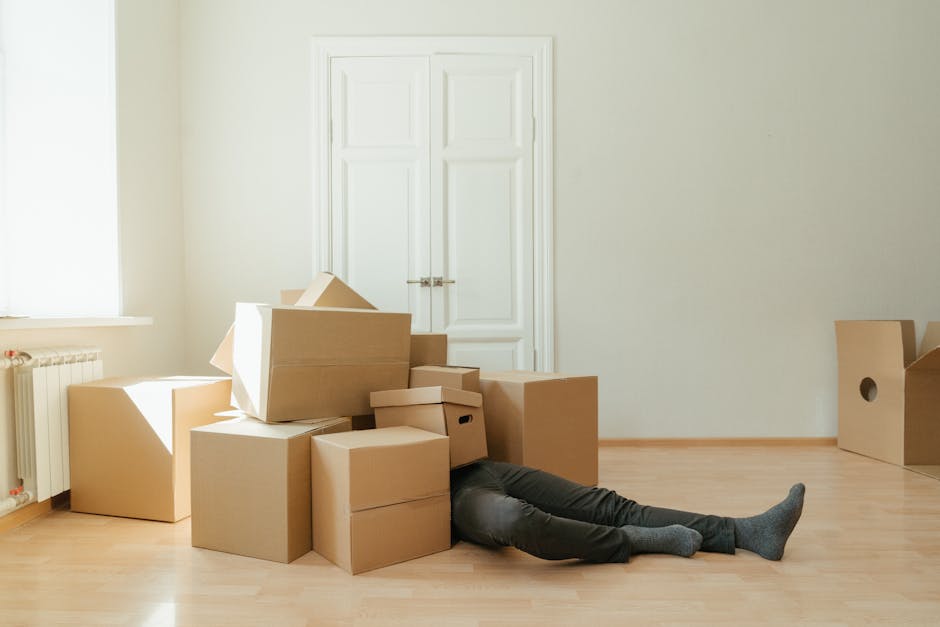
Insider tips for moving Coldharbour Lane Lambeth flats
Moving out of a flat on Coldharbour Lane can feel a bit like trying to thread a sofa through a keyhole while the road wakes up around you. The street is busy, the buildings vary, and the small details matter more than people expect. If you are looking for insider tips for moving Coldharbour Lane Lambeth flats, this guide brings together the practical stuff that actually saves time, stress, and the odd bruised knuckle.
Whether you are leaving a top-floor flat with a tight stairwell, moving into a conversion with awkward access, or simply trying to avoid the classic "we should have started earlier" moment, the advice below will help. You will find a step-by-step plan, local moving realities, common mistakes, and a realistic checklist you can use the night before. Not glamorous. Very useful.
Table of Contents
- Why it matters on Coldharbour Lane
- How flat moving here works in practice
- Key benefits of planning properly
- Who this guide is for
- Step-by-step guidance
- Expert tips for a smoother move
- Common mistakes to avoid
- Tools, resources and recommendations
- Law, compliance and best practice
- Options and comparison table
- Real-world example
- Practical checklist
- Conclusion
- Frequently asked questions
Why Insider tips for moving Coldharbour Lane Lambeth flats Matters
Coldharbour Lane is not the kind of place where you can always assume a straightforward load-and-go move. Flats in the area often come with a mix of narrow staircases, limited waiting space, shared entrances, and the usual London complications: traffic timing, parking pressure, and neighbours who are trying to get on with their day.
That is why local knowledge matters. A move that looks simple on paper can become slower and more expensive if the van cannot stop close enough, if large items are not dismantled, or if the lift decides to be temperamental right when you need it most. Truth be told, a well-planned flat move usually has less to do with brute force and more to do with timing, access, and order.
It also matters because flat moves tend to create knock-on issues in buildings with shared hallways or limited communal space. One badly timed delivery or a box left in the wrong spot can frustrate neighbours and make the whole day feel harder than it needs to be. The right preparation helps you stay calm and keeps the move moving.
How Insider tips for moving Coldharbour Lane Lambeth flats Works
The best way to think about a flat move here is in three parts: access, load, and timing. First, work out exactly how people and furniture will get in and out. Second, decide what can be carried safely and what needs dismantling or special handling. Third, choose the time window that gives you the least friction with traffic, neighbours, and building access.
In practice, that means walking the route from your front door to the vehicle before moving day. Look at corners, door widths, stair turns, lift access, and whether bulky items will snag on anything. If you have ever tried to pivot a mattress down a narrow landing, you already know why this matters. Small measurements save big headaches.
You should also think about the type of help you need. Some people only need a man and van for a quick flat move, while others benefit from a fuller removal services approach with packing support, loading help, and a larger vehicle. The right choice depends on the amount of furniture, the access situation, and how much lifting you want to do yourself.
Key Benefits and Practical Advantages
A properly planned move from a Coldharbour Lane flat gives you a few very real advantages.
- Less time on the day: fewer delays mean fewer hours paying for van and labour time.
- Lower risk of damage: good packing and route planning protect furniture, walls, and stairwells.
- Less stress for everyone: the people helping you will work better when they know the plan.
- Better use of space: vans are easier to load when boxes are grouped sensibly.
- Cleaner handover: if you are leaving a rented flat, you can focus on getting it back into decent shape.
There is also a quieter benefit that people sometimes overlook: confidence. Once you know the plan, the move stops feeling like a mystery. You can see the sequence in your head. That alone can make the whole day feel much more manageable.
If you are comparing services, it may help to look at home moves and the broader set of removals options so you can match the service to the size and complexity of your flat.
Who This Is For and When It Makes Sense
This guide is useful if you are moving from a studio, one-bed, or family flat on or near Coldharbour Lane. It is especially relevant if your building has stairs rather than a lift, if the entrance sits close to a busy road, or if your furniture includes awkward pieces like wardrobes, corner sofas, bikes, beds, or large white goods.
It also makes sense if you are moving at a time when the street is already under pressure. Late mornings and early evenings can be fiddly, and school runs, delivery vans, and general London traffic do not exactly help. If you have a weekday move, a bit of planning can save a lot of waiting around. And waiting around, as anyone who has moved in the city knows, is rarely the cheap part.
Students, young professionals, families, landlords preparing a turnover, and people downsizing all benefit from the same basic approach. Even if your flat move is small, the logistics can still be annoying enough to deserve proper attention.
Step-by-Step Guidance
- Survey the access. Check stairwells, lift size, entry codes, fire doors, and whether the van can stop near the entrance.
- Sort and reduce. Move only what you truly need. Flats reward ruthless decluttering. Be fair, nobody needs three spare chargers and a cracked side table.
- Measure the awkward items. Beds, wardrobes, desks, and sofas are the usual troublemakers. Measure them before moving day, not during it.
- Book the right support. If the move is compact, a man with van setup may be enough. If you have a larger load, look at house removals or a more comprehensive team.
- Pack by room and priority. Keep essentials separate. Kettle, phone charger, medication, documents, basic tools, toilet roll. Yes, toilet roll really does belong on the short list.
- Label clearly. Write the room and a rough contents note on each box. It makes unloading much faster.
- Prepare the building. Tell neighbours if needed, check lift booking rules, and make sure access instructions are shared in advance.
- Protect the route. Use floor coverings, blankets, or cardboard where helpful. Corridors in older buildings can mark more easily than people expect.
- Load in the right order. Put bulky items in first and essentials last if they need to come out first at the other end.
- Do a final sweep. Check cupboards, windows, loft spaces, charging points, and behind doors. The number of missed items in a flat move is slightly embarrassing, but extremely common.
If the move starts to feel bigger than you first thought, it is often worth speaking to a removal company rather than trying to improvise on the day. That small decision can prevent a long afternoon of dragging, repacking, and swearing at a futon.
Expert Tips for Better Results
Here is where the small wins really live.
Book the move around the building, not just your calendar. Some flats are much easier early in the morning before the road gets busy. Others are easier after the main rush. A one-hour difference can matter more than people expect.
Use soft packing for awkward corners. Blankets, wardrobe rails, and mattress covers help a great deal in tight hallways. The point is not perfection; it is avoiding scrapes and stress.
Disassemble first, not later. If a bed frame has to come apart, do it the day before. Digging for screws while the van is waiting is one of those tiny life choices that becomes a bigger story than it should.
Keep one clear access path. Do not fill the hallway with half-packed bags, coats, or shoes. Flat moves become chaotic very quickly when the entry point is blocked.
Set up an essentials bag. Bring chargers, keys, ID, a bit of cash or card, snacks, and water with you personally. Do not put these in the van pile. You will thank yourself later.
Choose support that matches the job. If you only need help with a few items, a man with van removal arrangement can be practical. For a fuller service, a moving van or moving truck may suit larger flats better.
One small but useful habit: keep a marker and tape in your coat pocket. It sounds trivial. It is not. Those two things save a surprising amount of time.
Common Mistakes to Avoid
The most common mistake is underestimating the access. People look at the flat itself and forget the staircase, the lift, the parking, the turn from road to doorway, and the sheer physical inconvenience of moving a sofa through all four at once.
Another classic is overpacking boxes. A box full of books might look tidy until you try to carry it down steps. Better to use smaller boxes for heavy items and keep weight sensible. Your back will be grateful, honestly.
Other mistakes include:
- leaving packing until the night before
- failing to label boxes clearly
- not checking parking or stopping arrangements
- forgetting to protect shared areas in the building
- moving fragile items without enough cushioning
- not separating essentials from general household items
There is also a timing mistake people make all the time: assuming loading will be quick because the flat is small. Small does not always mean simple. A compact flat with awkward access can take longer than a larger property with easy ground-floor loading.
Tools, Resources and Recommendations
You do not need a complicated toolkit, just the right basics. Good packing tape, strong boxes, a permanent marker, furniture covers, bubble wrap or paper, and a screwdriver set are the essentials for most flat moves. If you have bed frames or shelving units, keep the right Allen key nearby rather than hunting for it later.
For service comparisons, it can help to review options like packing and unpacking services, which are useful if you are short on time or energy, and removals van options if you want something built around a more straightforward local move.
Useful practical recommendations:
- use coloured stickers for rooms if you have a lot of boxes
- keep one toolkit separate from the rest of your belongings
- take photos of cable setups before unplugging anything
- wrap mirrors and framed pictures in blankets, not loose paper alone
- empty drawers that are likely to shift or break during lifting
If you are trying to keep the move affordable, review pricing and quotes carefully and compare what is actually included. Sometimes the lowest headline figure looks fine until you realise packing, waiting time, or extra handling is not covered.
Law, Compliance, Standards, or Best Practice
For most flat moves, the main things to think about are safe lifting, building access rules, parking restrictions, and your responsibilities as a tenant or leaseholder. You do not need to turn the move into a legal project, but you should respect the building's rules and any conditions from your landlord or managing agent.
Good practice usually includes checking whether the lift can be booked, whether movers need prior access approval, and whether communal floors need protection. In shared buildings, that basic courtesy matters. It reduces complaints, and it keeps everyone happier. Which is no bad thing on a moving day.
It is also sensible to use a provider that treats safety and insurance properly. If you want reassurance before booking, look at the company's insurance and safety information and its health and safety policy. Those pages can help you judge whether the service is set up with proper care rather than just a van and a bit of optimism.
Where disposal is involved, a sustainable approach is best. Unwanted items should be reused, donated, recycled, or disposed of responsibly where possible. A move is often the best time to cut waste and make a fresh start, and the lighter load usually moves better too.
Options, Methods, or Comparison Table
If you are deciding how to handle the move, this simple comparison can help you narrow it down.
| Option | Best for | Pros | Watch-outs |
|---|---|---|---|
| DIY van hire | Very small flat moves | Can be cheaper and flexible | You handle loading, lifting, and timing |
| Man and van | Studio or one-bed flats | Good balance of help and cost | May be limited for larger furniture or bigger loads |
| Full removals team | Busy or larger flat moves | More support, faster loading, less stress | Usually costs more, though often saves time |
| Packing and moving service | Time-poor households | Best for convenience and fragile items | Needs good communication about priorities |
There is no single right answer. A lot depends on your access, your furniture, and how much of the heavy lifting you want to do yourself. To be fair, that last part often decides it.
If you are moving a smaller flat with a few key pieces, a man with a van may be enough. If the move is more involved, a bigger removal van setup or a house movers team can give you a much calmer day.
Case Study or Real-World Example
Imagine a typical two-bedroom flat near Coldharbour Lane: a bed frame, a wardrobe, a sofa, a dining table, six boxes of books, two monitors, and the usual kitchen odds and ends. Nothing outrageous, but enough to be annoying if you wing it.
The move goes better when the heavy furniture is dismantled the night before, the boxes are labelled by room, and the van arrives after the morning rush. The loading route is cleared, the lift is checked in advance, and the essentials bag stays with the person moving rather than in the back of the van. That one choice alone prevents a lot of hassle.
In a real move like this, the difference is usually not dramatic in the cinematic sense. No heroic music, no miracle. Just fewer trips, fewer pauses, fewer "where did we put that?" moments. And by the end of the day, that feels like a win. A proper one.
Practical Checklist
Use this as a last-minute sanity check before moving day.
- Measure the largest furniture pieces
- Confirm lift access or stair route
- Check parking or stopping arrangements
- Book the right moving support
- Pack an essentials bag
- Label every box clearly
- Disassemble furniture in advance
- Protect fragile items and shared areas
- Keep tools and chargers separate
- Take final photos of the flat if needed for tenancy or handover
- Leave time for a final room-by-room sweep
- Keep water and a quick snack nearby
Expert summary: The best moves from Coldharbour Lane flats are usually not the fastest on paper. They are the ones with clear access planning, realistic packing, and the right amount of help for the job.
Conclusion
Moving from a flat on Coldharbour Lane does not need to become a battle of wills with a staircase. With a bit of planning, the right support, and some honest thinking about access and timing, the whole process can be much smoother than people expect.
Start early, reduce what you are taking, and choose a moving setup that fits the flat rather than forcing the flat to fit the move. That is the real insider edge here. Not magic, just good judgement. And if you are moving today or next week, take a breath. You are closer to done than it feels right now.
Get a free quote today and see how much you can save.
Frequently Asked Questions
What is the best way to move from a Coldharbour Lane flat?
The best way is to plan around access first, then packing, then timing. Check stairs, lifts, and parking before the move, and choose a service level that matches the size of your flat and how much lifting you want to do.
How far in advance should I book a flat move in Lambeth?
As early as you reasonably can, especially if you want a specific date or time. Flat moves in busy London areas can be affected by traffic and building access, so leaving it to the last minute is a bit risky.
Do I need a full removals team for a small flat?
Not always. A small flat may only need a man and van service, especially if the load is light and access is simple. If you have heavy furniture or awkward stairs, though, extra help is often worth it.
How can I make moving day faster?
Pack early, label boxes clearly, dismantle furniture in advance, and keep the route from your flat to the vehicle clear. Those basics make a bigger difference than people expect.
What should I do with awkward items like wardrobes or beds?
Dismantle them before moving day if possible. Keep screws and fittings in labelled bags, and tape the bags to the furniture item or store them in one clearly marked box.
Is parking a big issue on Coldharbour Lane?
It can be. That is why it is sensible to think about stopping space, loading time, and the route from the road to the building entrance well in advance.
Can packing services help with flat moves?
Yes. If you are short on time or want fragile items handled carefully, packing and unpacking services can take a lot of pressure off the day.
How do I avoid damaging communal hallways?
Use blankets, floor protection, and careful lifting techniques. Keep corridors clear, protect corners where needed, and make sure anyone helping understands the route before the first item moves.
What if my flat has no lift?
Then the move needs to be planned around the stairs from the start. Use smaller boxes, keep heavy items to a minimum, and make sure the moving help you book knows about the access before arriving.
How do I compare removal quotes properly?
Look beyond the headline price. Check what is included, whether there are limits on waiting time or handling, and whether packing, furniture dismantling, or insurance-related details are covered.
Are there any safety points I should not ignore?
Yes. Safe lifting, clear walkways, proper packing, and sensible team coordination all matter. It is worth checking the provider's safety and insurance information before you book.
What is the most common mistake people make with flat moves?
Underestimating access and leaving too much packing until the last minute. Those two things cause more stress than almost anything else, and they are both avoidable.
If you want a move that feels more controlled and less chaotic, the trick is to prepare for the building you actually have, not the one you wish you had. That simple shift changes everything.