Lambeth removals insurance and liability explained for customers
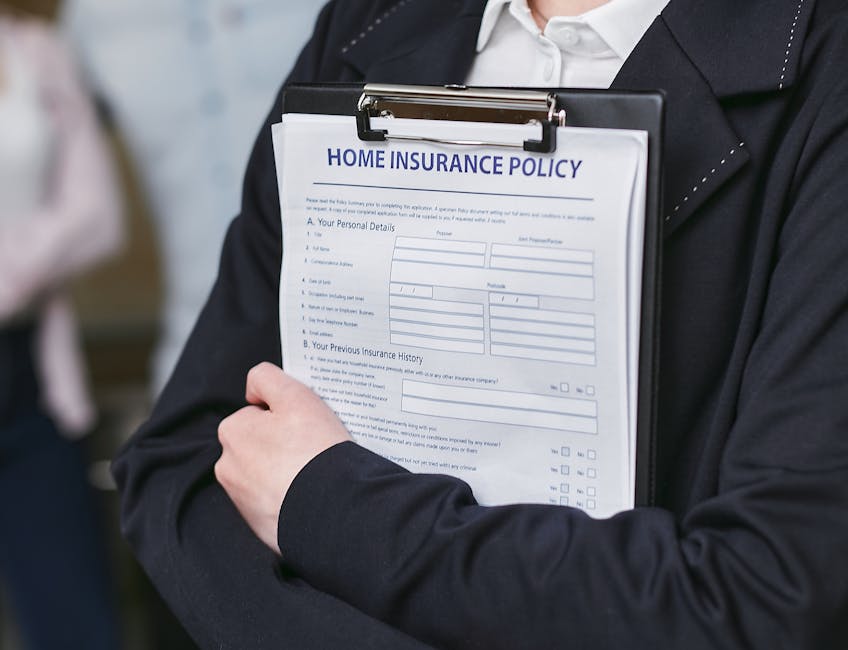
Moving home or business in Lambeth can feel a bit full-on, especially when you are juggling keys, parking, stairs, box stacks, and a moving day that seems to arrive before you are ready. One question people often leave until the last minute is this: who is responsible if something gets damaged during the move? That is exactly what Lambeth removals insurance and liability explained for customers is about. In plain English, it helps you understand what the removals company covers, what your own responsibilities are, and where the grey areas tend to appear. Get this right and the whole move feels calmer. Get it wrong and, well, the awkward phone call starts.
This guide breaks everything down clearly, with practical examples, local context, and the kind of detail most people only wish they had before moving day. If you are comparing movers, checking quotes, or just trying to understand the fine print, you are in the right place.
- Why insurance and liability matter
- How removals insurance and liability work
- Key benefits for customers
- Who needs this and when it makes sense
- Step-by-step guidance
- Expert tips
- Common mistakes to avoid
- Tools, resources and recommendations
- Law, compliance and best practice
- Options and comparison table
- Case study
- Practical checklist
- Conclusion
- Frequently asked questions
Why Lambeth removals insurance and liability explained for customers Matters
Let's face it, a move is a chain of small risks. A sofa can catch on a stair rail. A mirror can slip while you are turning through a tight hallway. A box marked "kitchen" may contain plates you would rather not hear clinking in the van. Most of the time, everything goes smoothly. But when something does go wrong, the difference between a manageable issue and a stressful one often comes down to whether you understood the insurance and liability position before the lorry or moving van pulled away.
In Lambeth, that matters even more because many properties involve narrow streets, shared entrances, basement flats, parking restrictions, and older buildings with tight staircases. If you have ever tried to manoeuvre a wardrobe around a corner in a period conversion, you will know exactly what I mean. The practical reality is that damage can happen even with a careful crew. That does not mean blame is automatic. It means the rules need to be clear.
Insurance and liability are not just legal or admin topics. They protect your finances, your time, and your peace of mind. They also help you choose between movers with confidence. A company that explains cover clearly is usually a company that takes the rest of the job seriously too.
Practical takeaway: do not treat removals insurance as a box-ticking extra. It is part of the moving plan, just like packing tape, parking, and building access.
It also helps to separate two ideas that people often mix up: insurance and liability. Insurance is the financial protection policy. Liability is the responsibility a mover may have if they cause loss or damage. They overlap, but they are not the same thing. That distinction matters when you are reading a quote or dealing with a claim.
How Lambeth removals insurance and liability explained for customers Works
At a practical level, removals cover usually works in layers. Some protection may be included in the service, some may be optional, and some may depend on what exactly was damaged, how it happened, and whether the customer packed the item. That is the bit many people miss. The wording matters.
Here is the simple version. If a removals team is handling your belongings and an item is damaged because of their negligence, there may be a claim route. If the item was poorly packed by the customer, already fragile, or not declared properly, the outcome can be different. A mover's terms and conditions usually set out these boundaries.
In Lambeth, customers often ask about two common situations:
- Transit damage: an item is damaged while being moved in the van or truck.
- Handling damage: damage happens while lifting, carrying, or loading, perhaps on stairs or in a narrow entranceway.
Some removals businesses also explain whether they hold public liability insurance, goods-in-transit cover, or additional options for higher-value items. These are not interchangeable. Public liability usually concerns injury or property damage to others. Goods-in-transit cover usually relates to the items being transported. If that sounds a bit dry, fair enough, but it is exactly the sort of detail that can save a lot of hassle later.
One more thing: not every claim is straightforward. A scratched table, for example, may be easier to assess than a hidden fracture in a TV screen that only shows up later that evening when the place is quiet and you finally sit down. Timing, evidence, and documentation all matter. Take photos before the move. Keep receipts if you have them. It sounds obvious. People still forget.
What liability usually depends on
- Whether the mover caused the damage
- Whether items were packed by the company or by you
- Whether any exclusions apply
- Whether the item was declared as fragile or high value
- Whether access conditions were reasonable and disclosed in advance
Key Benefits and Practical Advantages
Understanding removals cover is not just about avoiding disaster. It also makes the move better organised from the start. The benefits are real, even if they are not flashy.
1. Fewer surprises on moving day
When you know what is covered, you are less likely to argue over responsibility after the fact. That means fewer delays and fewer tense conversations in the hallway while everyone stands around pretending to be relaxed.
2. Better quote comparison
Two removal quotes can look similar on price but very different on protection. One may include limited cover only, while another may clearly explain handling, transit, and liability terms. If you are comparing options, this detail is often more valuable than a slightly cheaper headline price. For help comparing quotes, it is worth reviewing pricing and quotes alongside the insurance wording.
3. More confidence with fragile or valuable items
Antiques, artwork, mirrors, musical instruments, and electronics are the items people worry about most. Clear insurance and liability terms help you decide whether to keep them with the removals team, move them yourself, or request extra cover.
4. Better planning for Lambeth's practical challenges
Older blocks, second-floor walk-ups, and tight loading spaces all increase the chance of accidental knocks. That does not mean the move is risky in a dramatic sense. It just means you want a removals service that understands local conditions and explains its protections clearly.
5. Less stress if something does go wrong
Truth be told, even a very careful team can have an off moment. The important bit is whether you know what happens next. Good cover gives you a process, not just a promise.
| Benefit | What it means in practice | Why it matters to you |
|---|---|---|
| Clear responsibility | You know who may be liable for damage | Less confusion and faster decisions |
| Better quote comparison | Insurance terms are easier to compare | Helps avoid hidden gaps in cover |
| Peace of mind | Protection is built into the move plan | Reduces stress on a busy day |
| Smarter packing choices | Fragile items can be handled more carefully | Fewer avoidable problems |
Who This Is For and When It Makes Sense
Pretty much anyone moving in Lambeth should care about this, but some people need to pay extra attention.
Home movers
If you are moving a flat, maisonette, or house, insurance and liability matter because domestic moves often involve personal possessions with emotional and financial value. That old dining table may not be priceless to a stranger, but if it is the one you have had for years, you will absolutely notice the scratch.
Tenants and first-time movers
If you are renting, you may also have a check-out report to think about. If a removals team damages communal areas or leaves an issue at the property, clear liability terms help you understand who should deal with what. For first-time movers, this is often the first time these questions become real. It can feel a bit much at first. That is normal.
Families with bulky or fragile items
Children's furniture, bikes, TVs, mirrors, pushchairs, and garden items can all be awkward. More awkward usually means more chance of accidental damage, especially in stairwells or narrow hallways.
Businesses and office movers
Commercial relocations often involve more equipment, more people, and tighter deadlines. If you are moving desks, monitors, filing cabinets, or stock, the consequences of damage can be bigger because downtime costs money. If your move is business-related, take a look at commercial moves and office removals for a sense of how the service is structured.
Anyone with specialist items
If you own a piano, large artwork, antiques, or unusually shaped furniture, do not assume standard cover is enough. Ask what is included, what is excluded, and whether a higher-value declaration is needed.
There is a simple rule here: if losing or damaging the item would hurt financially or emotionally, check the cover. No need to overcomplicate it.
Step-by-Step Guidance
If you want a low-stress process, follow the steps below. It is not glamorous, but it works.
Step 1: Read the quote carefully
Look for wording around liability, exclusions, and any insurance included. A good quote should not feel like a puzzle. If it does, ask for clarification before you book. Hidden charges and vague cover details are two separate problems, but they often show up together. You may find it useful to read about hidden charges to watch for in Lambeth removal quotes as part of that comparison.
Step 2: List fragile and high-value items
Make a short inventory. Not every mug needs a spreadsheet, obviously, but your key items should be listed. Photos are helpful. Serial numbers help too, especially for electronics.
Step 3: Ask what is covered during loading and unloading
This is where damage often occurs. Staircases, door frames, and hallway turns are all potential contact points. Ask specifically about handling, not just vehicle transit.
Step 4: Clarify packing responsibility
If you pack your own boxes, find out how that affects cover. Many claims become harder if the contents were not packed by the removal company or were packed loosely by the customer. That is not a moral judgement. It is just how many policies are written.
Step 5: Check building access and parking arrangements
In Lambeth, access can be a bigger issue than people expect. Parking restrictions, loading distance, flight of stairs, and lift access all influence how the move is managed. If the team has to carry items much further than planned because the vehicle cannot get close, the risk changes. Local guidance such as Lambeth Council permit rules for moving vans and loading can be useful background when planning.
Step 6: Confirm the claims process before moving day
If a problem happens, who do you contact? How quickly? What evidence is needed? A short, clear claims process is a good sign. You want that information before the van arrives, not after.
Step 7: Keep the paperwork together
Store the quote, terms, and any written confirmation in one place. A phone screenshot is better than nothing. A proper folder is better still.
Expert Tips for Better Results
Over the years, the best moving experiences usually come from customers who ask a few pointed questions early. Not aggressive questions. Just sensible ones.
Ask for plain-English answers
If a company uses terms like "limited liability," "excess," or "condition precedent," ask what they mean in your case. A trustworthy mover should be able to explain without making you feel silly. If they cannot, that is useful information too.
Photograph everything before collection
Take pictures of existing marks on furniture, appliances, and walls near the exit route. This does not mean you expect a problem. It simply creates a clean record if there is later disagreement.
Protect the items you care about most
Even where the mover is careful, some items are still worth special attention. Wrap glass separately. Remove loose parts. Secure drawers if needed. A minute of preparation can spare you a lot of annoyance.
Choose movers who talk clearly about safety
Insurance is only one part of the picture. A company that also talks about safe lifting, protective wrapping, and route planning tends to be more dependable. If you want a wider look at how safety and protection are handled, see insurance and safety and health and safety policy.
Pay attention to the wording around exclusions
Common exclusions may include items packed by the customer, pre-existing damage, or certain delicate objects unless declared in advance. The exact wording matters more than the sales pitch. Always.
Do not assume "fully insured" means everything is covered
This is a classic trap. "Fully insured" sounds reassuring, but it may still involve exclusions, limits, and conditions. Ask for the actual scope.
Expert summary: the best protection is a mix of clear terms, careful packing, honest disclosure, and a removals team that answers questions without dancing around them.
Common Mistakes to Avoid
Most moving headaches are avoidable. Not all, but most. These are the mistakes that come up again and again.
1. Not checking the exact cover level
People often book based on price and only look at cover after a problem appears. That is, to be fair, a stressful way to learn the difference between policies.
2. Assuming every item is covered the same way
Standard furniture, fragile ornaments, and expensive electronics may all be treated differently. A sofa and a porcelain lamp are not the same risk.
3. Forgetting to mention access issues
If the mover expects a lift and finds six flights of stairs instead, the moving day gets harder fast. Be upfront about tight entrances, no-lift buildings, narrow roads, and awkward parking.
4. Packing boxes too loosely
If a box collapses because it was overfilled or badly taped, claims can become messy. This is the kind of problem that is easy to prevent and annoying to unwind later.
5. Leaving valuables unlisted
If something is high value, say so. Silence helps no one. It may also affect whether the item is covered to the level you expect.
6. Not reading the terms and conditions
Yes, they are boring. No argument there. But the boring part is where the answers live. If you are moving with a company that also handles house removals or man and van removals, the service detail should still be clear.
Tools, Resources and Recommendations
You do not need a full project-management setup to move well. A few simple tools make a big difference.
- Phone camera: for before-and-after photos of furniture, walls, and access points.
- Inventory list: even a simple notes app list is better than nothing.
- Labels and markers: mark fragile boxes clearly and consistently.
- Measuring tape: useful for tight hallways, wardrobes, and bulky items.
- Copies of terms: save the quote, cover wording, and any email confirmations.
For customers who want to understand the wider moving service too, these pages are useful starting points: removal services, removal company, and removal companies. If you are comparing vehicle options, moving van and man with van may also help explain service style and scope.
For a local angle on moving logistics, the blog section can be useful. You might also find practical reading in Kennington Lambeth man and van tips for flats with tight stairs and Brixton Market Lambeth removals guide for narrow street moves.
Law, Compliance, Standards, or Best Practice
This is one of those areas where careful wording matters. Removals companies in the UK must operate within general business, contract, and safety expectations, but exact obligations can vary depending on the service, the contract, and the circumstances of the move. Customers should always rely on the terms they receive in writing and ask for clarification if anything is unclear.
Best practice usually includes:
- clear written terms and conditions
- transparent explanation of liability limits and exclusions
- appropriate public liability and goods-in-transit insurance where offered
- safe lifting and handling procedures
- honest pre-move assessment of access conditions
- secure payment and data handling practices
That last point may seem unrelated, but it is not. If you are paying a deposit or sharing personal details, you want the company to be organised beyond just the van and boxes. Pages like payment and security, terms and conditions, and privacy policy help show how a business handles the basics.
If you ever feel uncertain, ask direct questions in writing. A clear answer is better than a vague reassurance, every time.
Options, Methods, or Comparison Table
Below is a simple comparison of common cover and responsibility setups customers encounter. Exact terms vary, so treat this as a practical guide rather than a legal summary.
| Option | What it usually means | Good for | Watch out for |
|---|---|---|---|
| Basic included liability | Limited responsibility under standard terms | Low-risk moves with simple furniture | May not fully cover fragile or high-value items |
| Goods-in-transit cover | Protection for items while being carried or transported | House moves and larger loads | May include exclusions or item limits |
| Public liability cover | Protection for damage or injury to third parties or property | Moves with tight access or shared buildings | Does not usually replace transit cover |
| Declared additional cover | Extra protection for named valuable items | Specialist possessions | Needs upfront disclosure and proper valuation |
| Customer-arranged insurance | Separate cover arranged by the customer | High-value or bespoke moves | Must still align with mover's liability terms |
The main thing to remember is this: the "best" option depends on what you are moving, how much risk is involved, and how comfortable you feel with the exclusions. A one-bedroom flat move and a small office relocation are not the same beast at all.
Case Study or Real-World Example
Here is a realistic example from a typical Lambeth move. No drama, just a useful illustration.
A customer in a top-floor flat in Brixton booked a moving van for a Saturday morning. The property had a narrow stairwell and a tight turn at the landing. They had a sofa, a large mirror, several boxes of books, and a TV. Before move day, they told the company about the stairs, the parking constraints, and the fragile items. They also photographed the mirror and the TV in advance.
On the day, the team wrapped the mirror carefully and planned the route out of the building. During the move, the edge of the sofa caught a wall corner, leaving a small scuff. Because the access details were known in advance and the move was handled carefully, the company could review the incident quickly and deal with it under the relevant terms. There was no shouting, no guessing, and no long back-and-forth about what happened. Slightly boring, maybe. Very good, though.
What made the difference? Three things:
- The customer disclosed the access issue early.
- The fragile item was identified before collection.
- The paperwork made the process clear if anything needed reviewing.
Now imagine the same move with no photos, no disclosure, and a vague quote. That is where claims get messy. Not impossible, just messier.
Practical Checklist
Use this checklist before your move. It is simple, but it covers the important bits.
- Read the quote and the cover wording carefully.
- Ask what is included in transit, handling, and loading/unloading.
- Confirm whether packing by you changes liability.
- List fragile, valuable, or unusual items separately.
- Take photos of existing damage before the move.
- Tell the mover about stairs, lifts, parking, and tight access.
- Check whether any additional cover is recommended.
- Save the company's terms and conditions.
- Understand the claims process and timing.
- Keep receipts or proof of value where available.
If you do only a few things from this article, make it these. They are the ones that genuinely reduce stress.
Conclusion
Lambeth removals insurance and liability explained for customers comes down to one simple idea: know what is covered, know what is not, and know what happens if something goes wrong. That knowledge gives you leverage. It helps you choose a mover more wisely, pack more carefully, and face moving day with a bit more confidence.
The good news is that you do not need to become an insurance expert to protect yourself. You just need clear information, honest communication, and a mover who takes responsibility seriously. That is the heart of it.
If you are weighing up your move now, take a few minutes to review the cover details before you book. It is a small step, but it can make the whole day feel much steadier. And on moving day, steadier is lovely.
Get a free quote today and see how much you can save.
Frequently Asked Questions
What does removals insurance usually cover?
It usually covers loss or damage to items during the move, but the exact scope depends on the policy and the removal company's terms. Some cover applies to transit, some to handling, and some may be limited to certain item types. Always ask for the wording in plain English.
Is liability the same as insurance?
No. Liability is about responsibility; insurance is the financial protection that may pay for covered losses. A company can be liable in some situations, but the claim outcome still depends on the policy terms and the facts of the move.
Do I need separate insurance for a Lambeth house move?
Not always, but you should check what the removals company includes. If you have high-value or fragile belongings, or if you want broader protection, separate cover may be worth considering. It depends on what you are moving and how much risk you are comfortable with.
What happens if I pack the boxes myself?
That can affect liability. Many companies treat customer-packed boxes differently from items packed by the team, especially if contents are damaged but the box itself looked sound. It is one of the biggest areas where misunderstandings happen, so ask before moving day.
Does cover apply to stairs and tight hallways?
Sometimes, yes, but this depends on the circumstances and the policy wording. Damage during loading or unloading may be covered differently from damage in transit. In Lambeth, access issues are common enough that they should always be discussed in advance.
What should I do if something is damaged during the move?
Report it as soon as possible, take clear photos, and keep the damaged item and any packaging if you can. Then follow the company's claims process exactly. The sooner you document the issue, the easier it usually is to resolve.
Are antiques and artwork automatically covered?
Usually not automatically to the level people expect. High-value or specialist items often need to be declared in advance and may require additional cover. Never assume a general removals policy treats a painting the same way it treats a chair.
How can I compare two removal quotes properly?
Do not compare price alone. Look at what is included, what is excluded, whether packing is covered, and how claims are handled. A cheaper quote can end up being more expensive if the protection is weaker or the terms are vague.
Is public liability insurance enough for a move?
Not usually on its own. Public liability generally relates to third-party injury or property damage, not necessarily your belongings. You will often need to check goods-in-transit cover as well if you want protection for items being moved.
What documents should I keep before moving day?
Keep the quote, the terms and conditions, any written confirmation of cover, and photos of valuable items or pre-existing damage. A simple folder on your phone is fine if that is easier. Just do not leave it all in a random email thread if you can help it.
Can a removals company refuse a claim?
Yes, if the claim falls outside the policy terms, if exclusions apply, or if the required evidence is missing. That is why understanding the wording before the move matters so much. The smoother claims are, the better everyone sleeps afterward.
Why is Lambeth access such a big issue for removals cover?
Because access affects risk. Narrow roads, limited parking, tight staircases, and older buildings can all increase the chance of accidental damage. In Lambeth, these details are part of the moving plan, not a side note. A good mover will want to know them early.